History & Culture / U.S. History
TERTIA OPTIO · HISTORY 01
A History of the United States in the World
From the Atlantic crossings to the digital world.
A history of people, their choices, and the forces that shaped them.
- 01
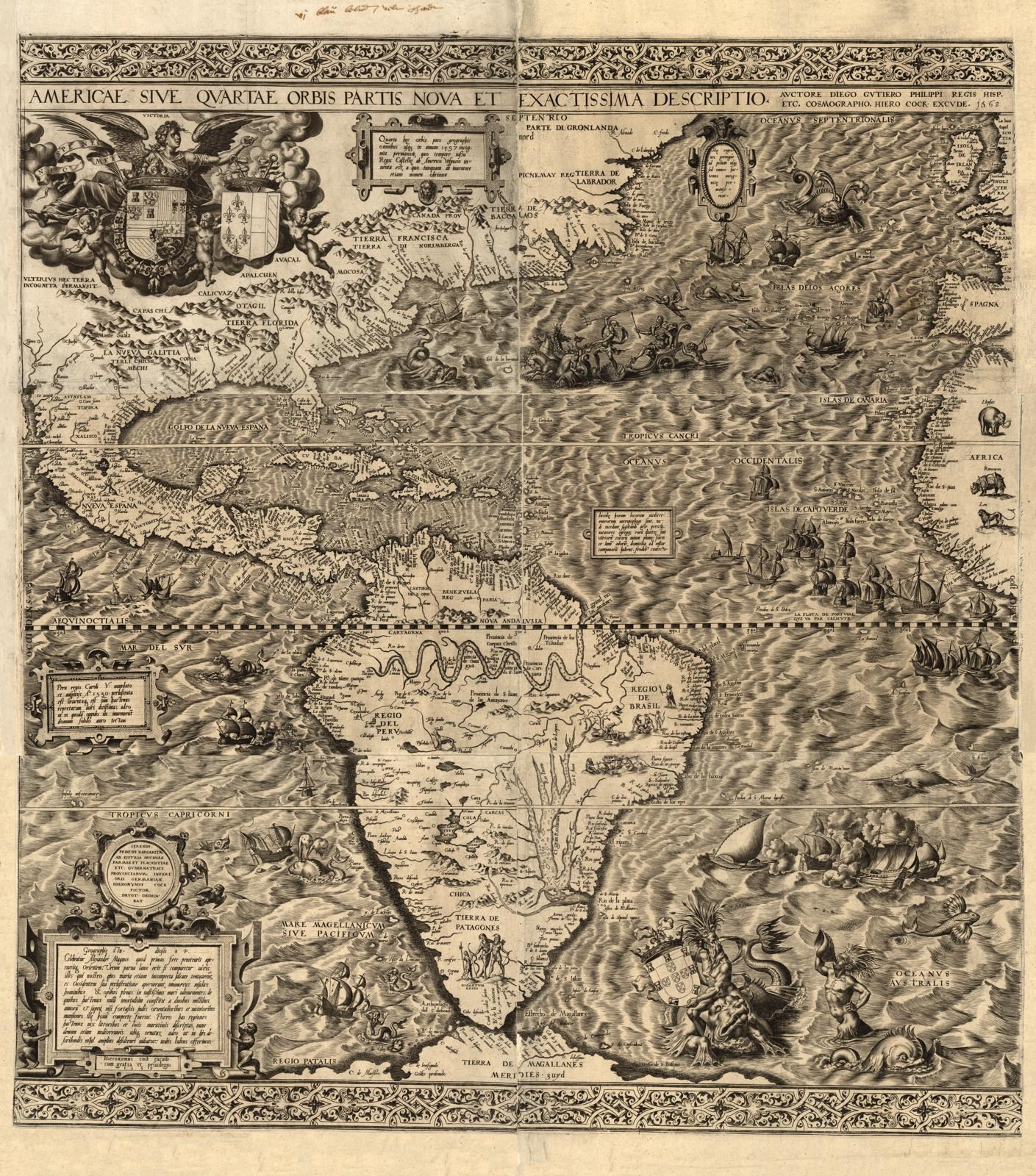
Before 1492–1607
Indigenous America and the Atlantic World
Explore the histories already unfolding in the Americas and the unequal connections that transformed life across the Atlantic.
- 02
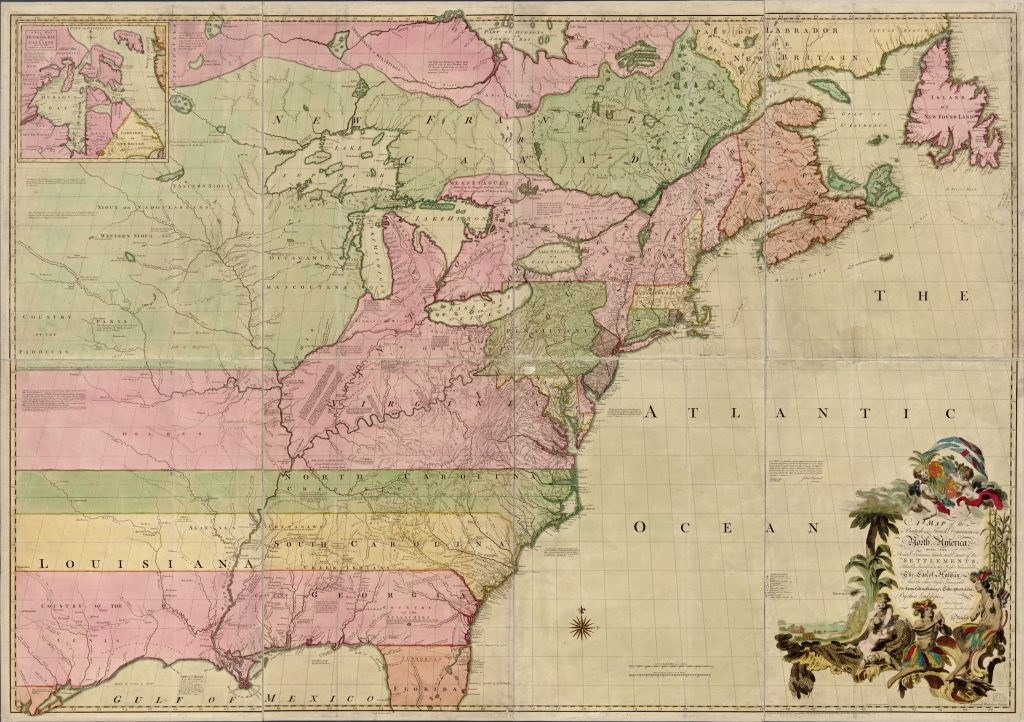
1607–1763
Colonial Societies and Entangled Atlantic Lives
Trace how distinct colonial societies grew through contested land, limited self-government, and enslaved labor.
- 03
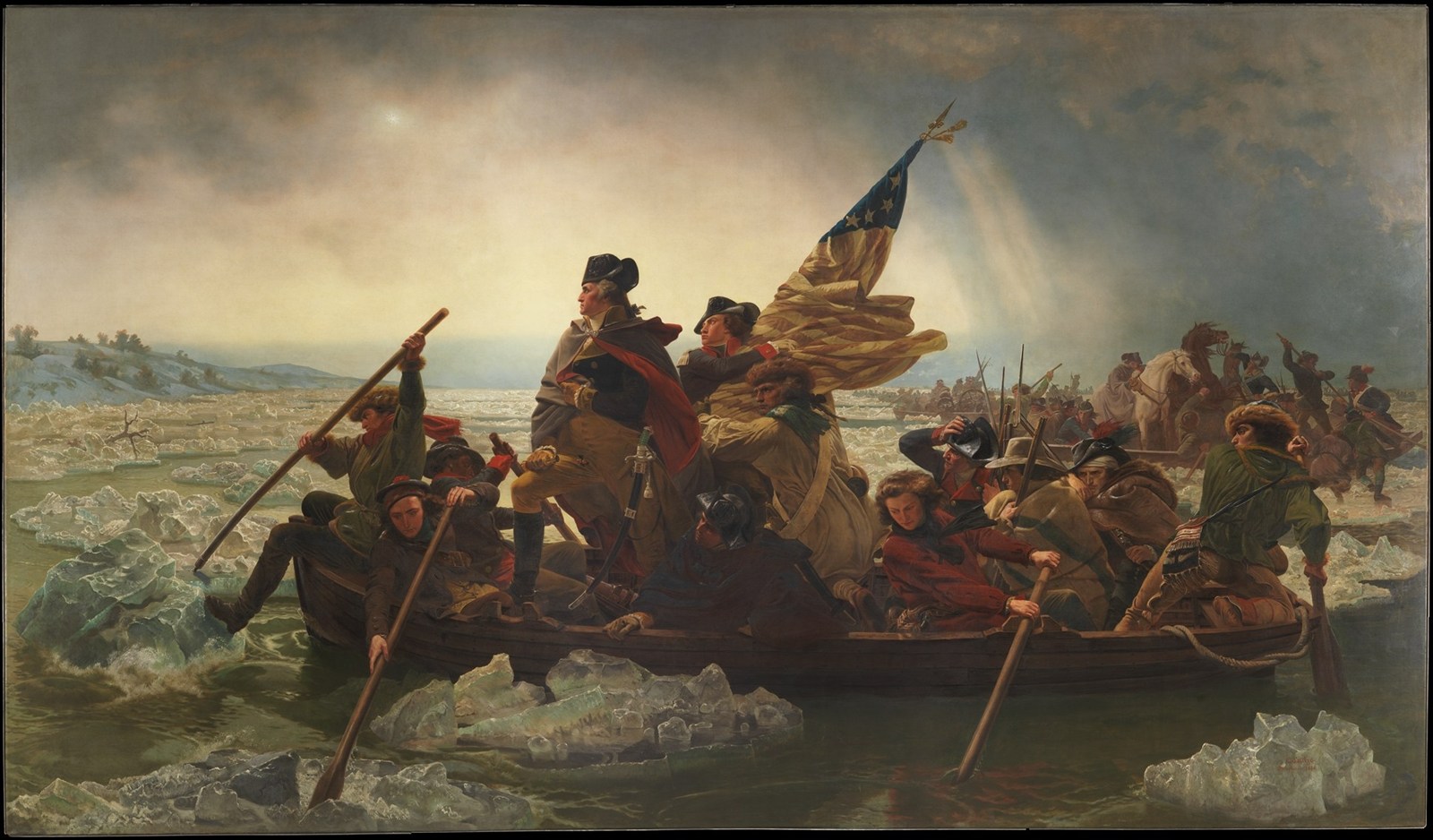
1763–1783
The American Revolution and the Promise of Liberty
Follow the dispute over taxation and consent, the importance of French assistance, and the unequal reach of revolutionary freedom.
- 04
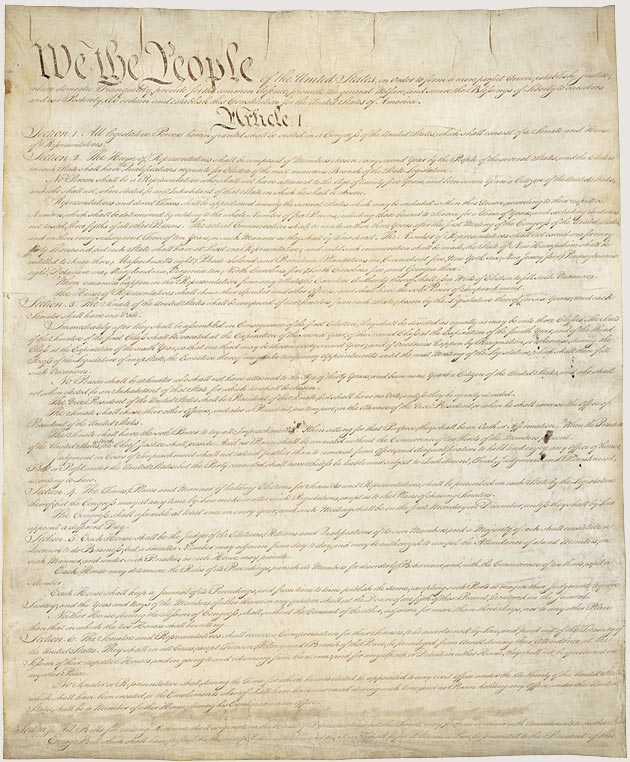
1781–1815
The Constitution and the Early Republic
Examine the transition from confederation to Constitution, compromises over slavery, party rivalry, and territorial expansion.
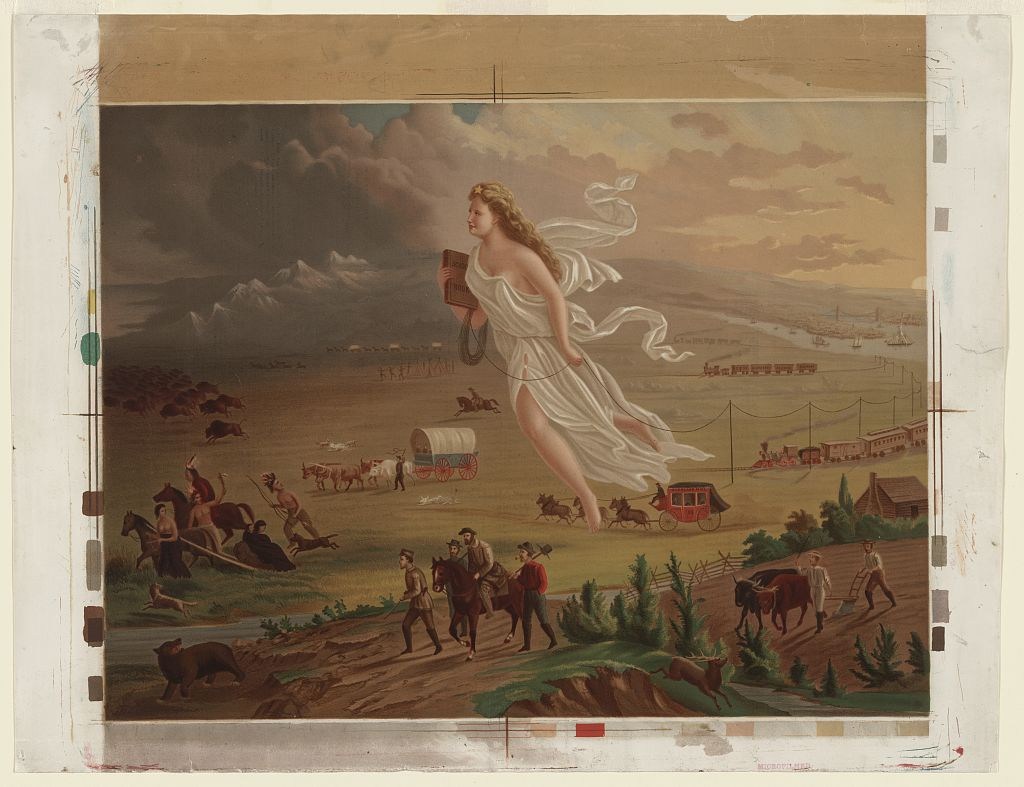
- 05
1803–1860
Territorial Expansion, Slavery, and Indigenous Removal
As American territorial claims expanded westward, conflicts over land, labor, and sovereignty intensified.
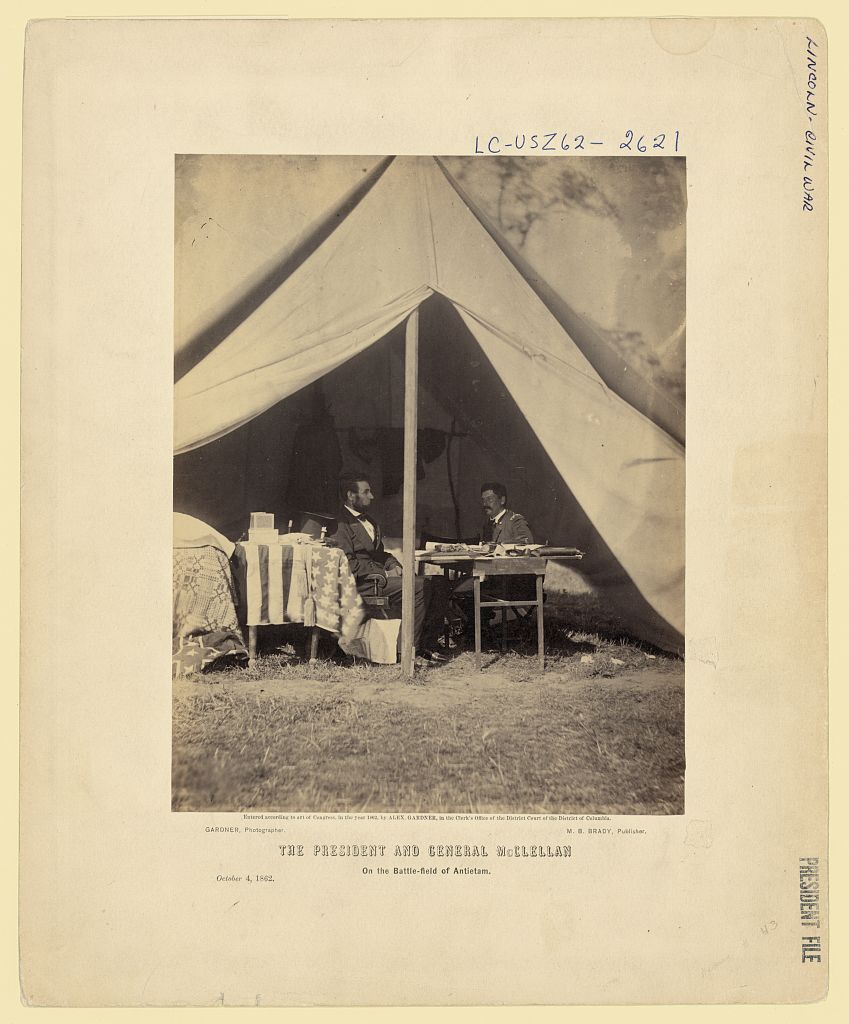
- 06
1861–1877
The Civil War and Reconstruction
War destroyed slavery, but Reconstruction brought new struggles over citizenship and the meaning of freedom.
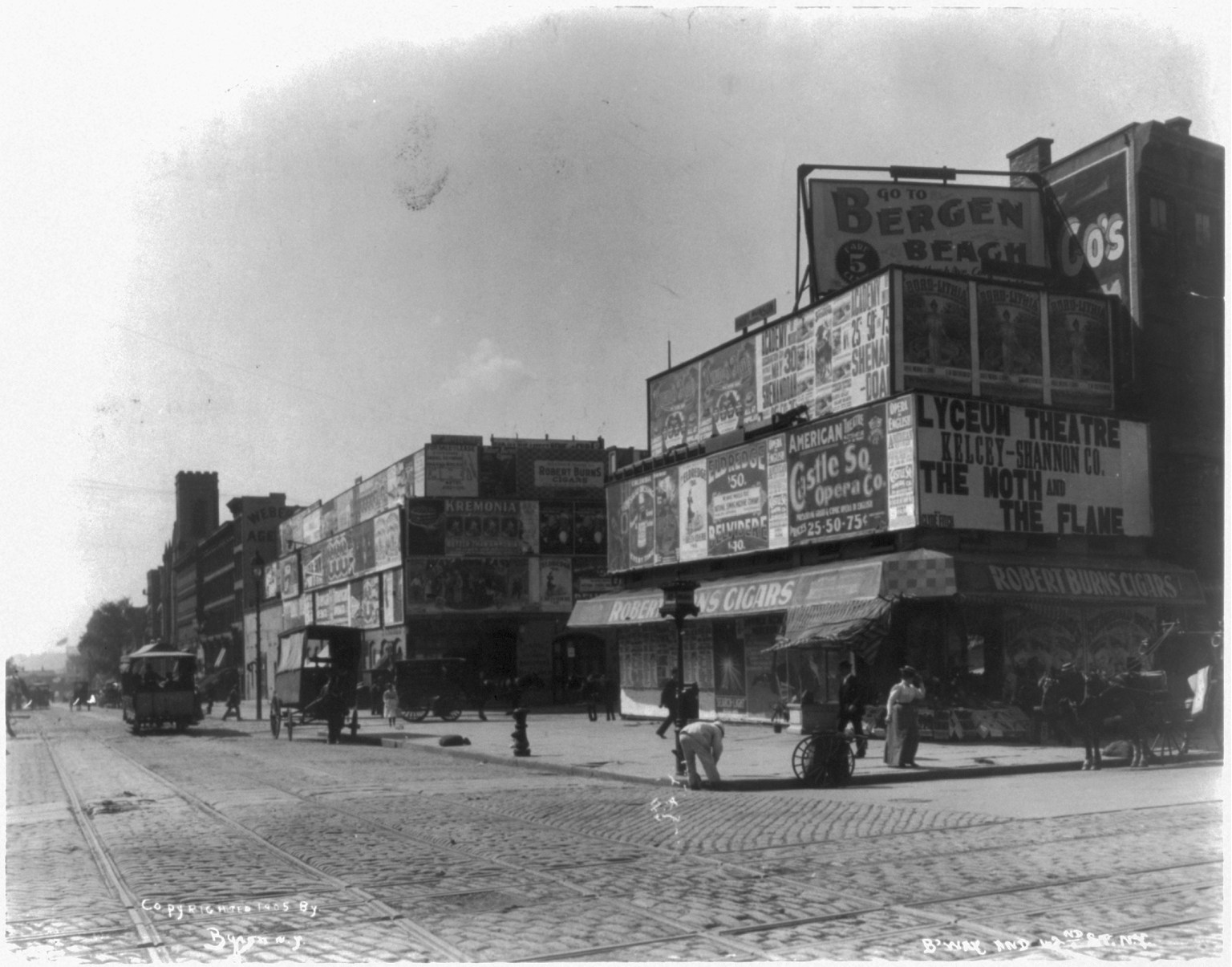
- 07
1865–1900
Industrialization, Immigration, and Labor
Railroads and factories created wealth, but its distribution and workers' rights remained fiercely contested.
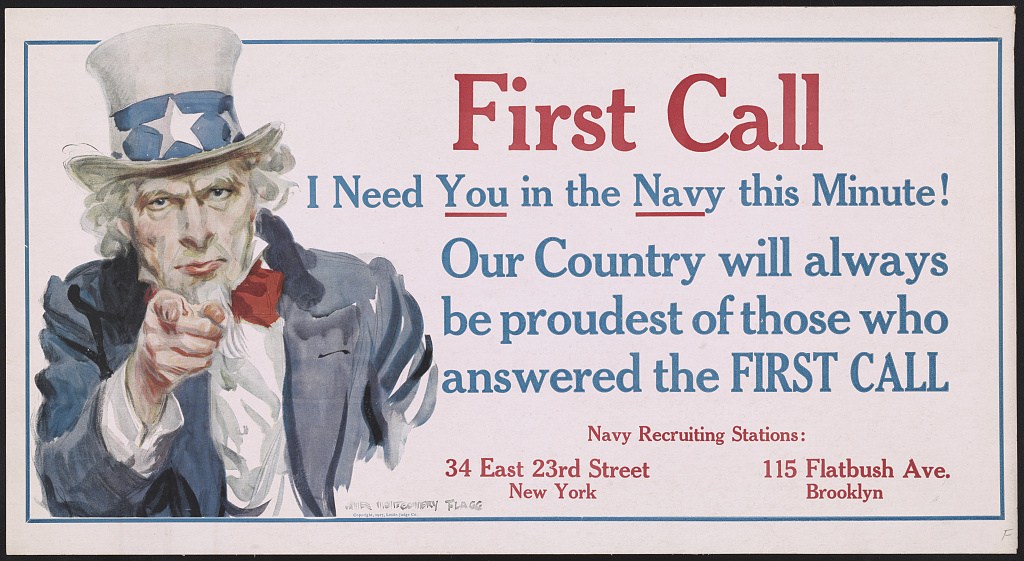
- 08
1890–1920
Progressivism, Imperialism, and World War I
The United States expanded public responsibility at home while extending domination abroad and restricting dissent during war.
- 09
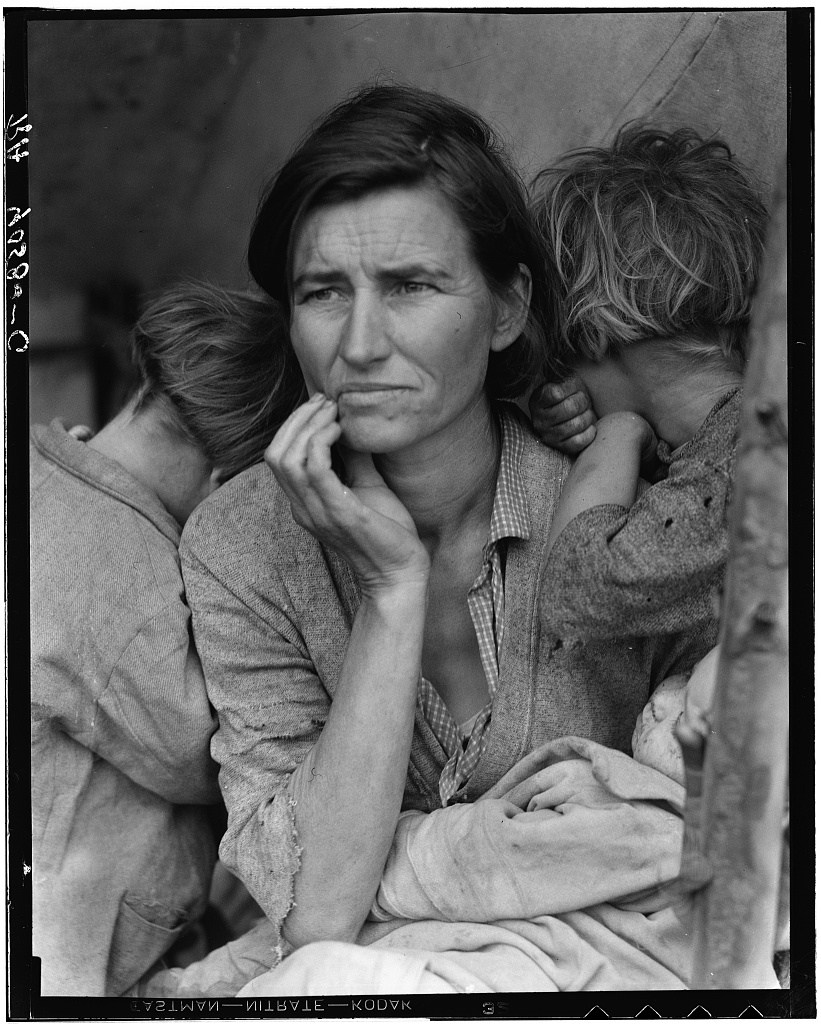
1920–1945
The Great Depression, the New Deal, and World War II
Economic collapse and global war transformed the federal government's responsibilities while testing America's commitment to freedom.
- 10
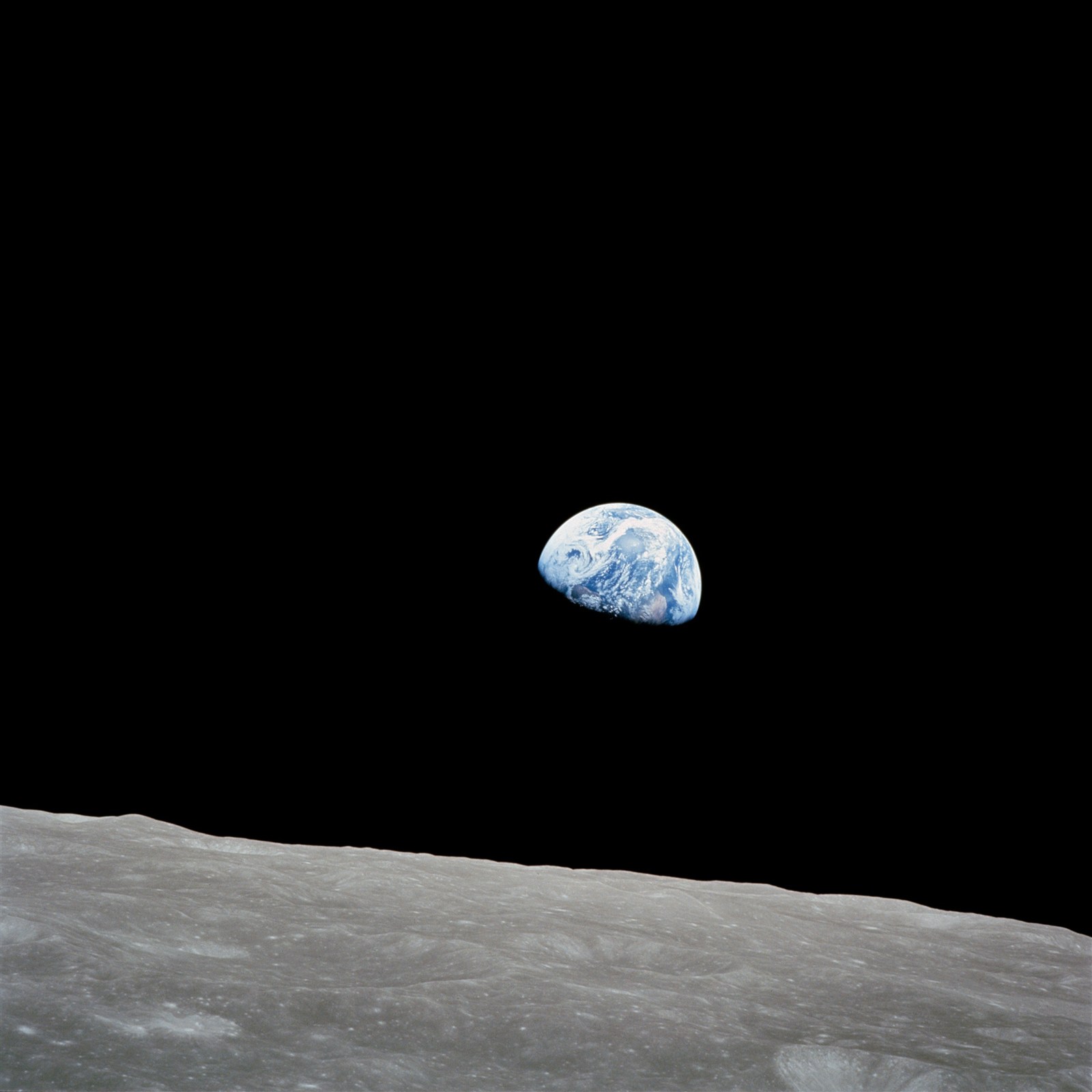
1945–1975
The Cold War, Prosperity, Korea, and Vietnam
Rising living standards at home coexisted with nuclear anxiety and devastating wars in Korea and Vietnam.
- 11
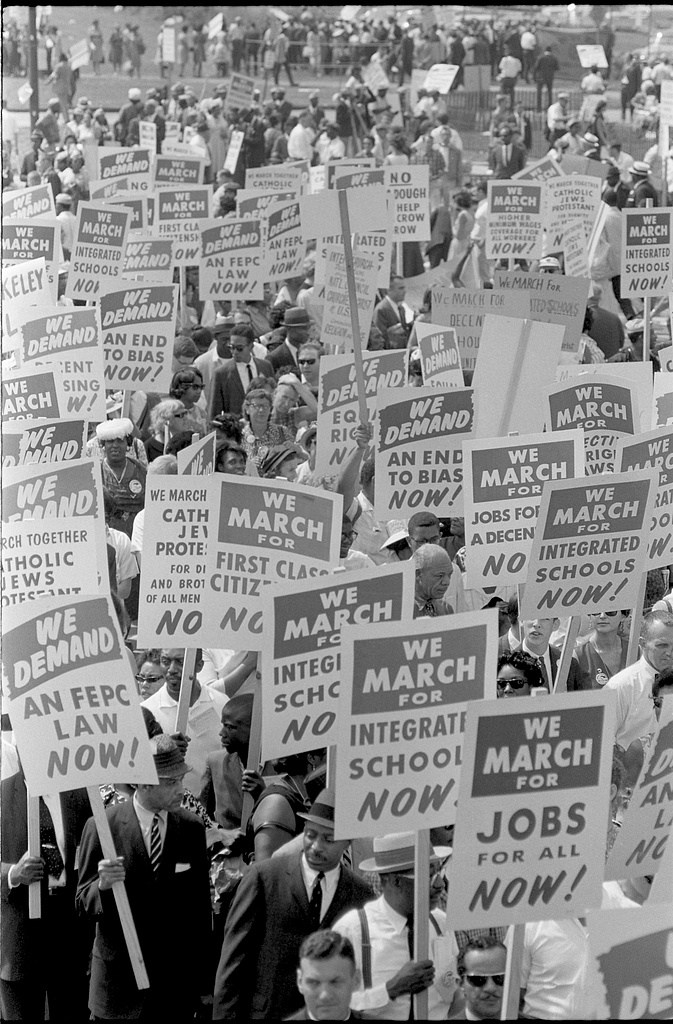
1954–1989
Civil Rights, Expanding Freedoms, and the Conservative Turn
Grassroots movements expanded rights while economic insecurity and social change helped build a new conservative coalition.
- 12
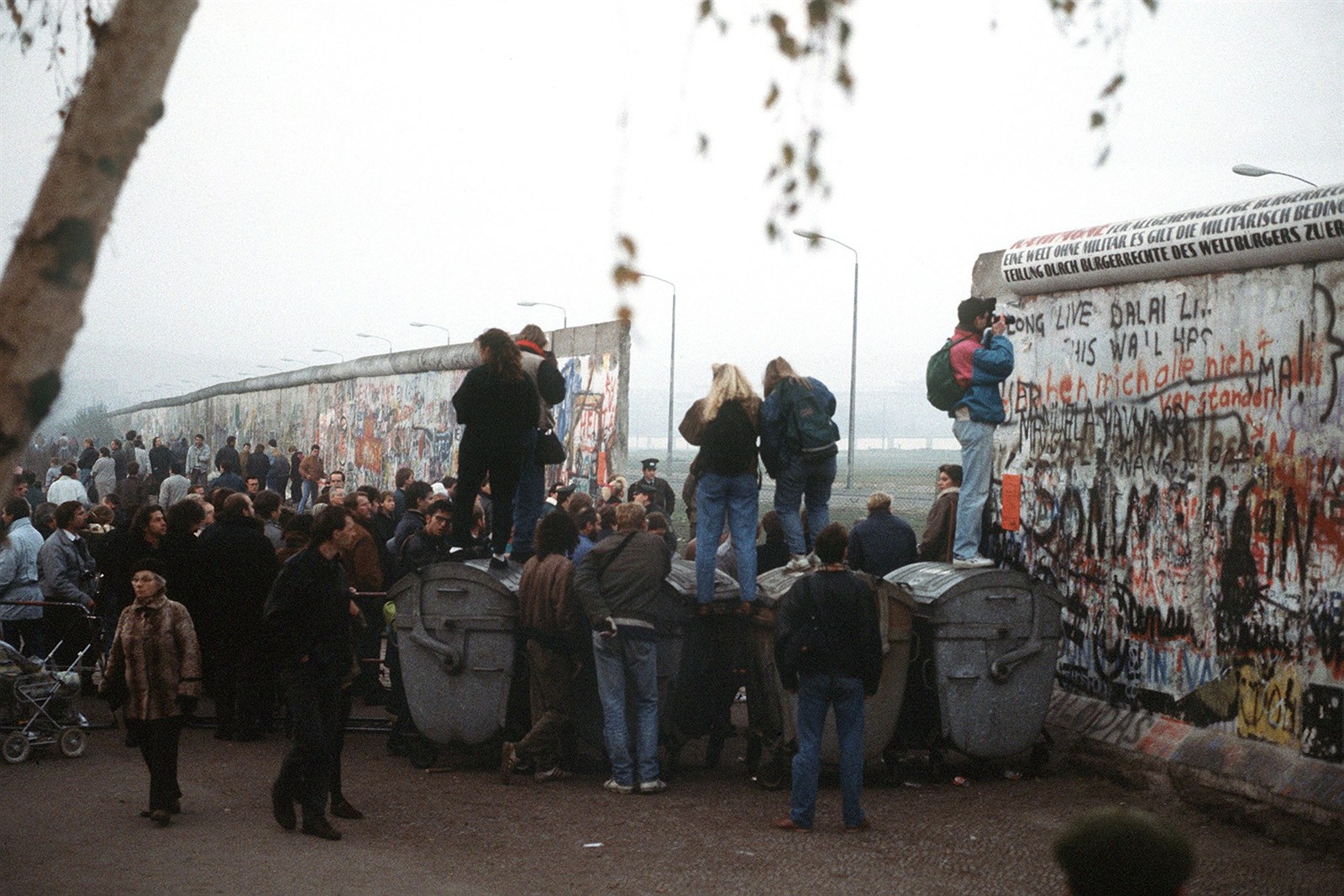
1989–2024
Globalization, Digital Transformation, and Post-Cold War Conflict
Goods and information crossed borders faster, but deeper connections did not automatically deliver peace or equality.
No chapters match. Try another name, place, or event.
| Period | In America | The wider world |
|---|---|---|
| Before 1492–1607 | Indigenous America and the Atlantic World 1438 Pachakuti became an Inka ruler and began transforming and expanding the state centered on Cusco. / 1492 Columbus reached the Caribbean and encountered Taíno people. / 1493 Printed versions of Columbus's letter about his first voyage circulated in Europe. / 1552 Las Casas's A Short Account of the Destruction of the Indies was published. | American potatoes, maize, and peppers crossed oceans and transformed diets in Europe, Africa, and Asia. Plants, animals, and pathogens moved in the other direction, reshaping American environments. This was a process lasting centuries, not a single voyage. Foods now considered local traditions preserve its traces. The benefits of new crops must nevertheless be distinguished from the unequal burdens of conquest and disease. |
| 1607–1763 | Colonial Societies and Entangled Atlantic Lives 1607 English colonists founded Jamestown in Virginia. / 1619 Captive Africans arrived at Point Comfort in English Virginia. / 1662 Virginia enacted a law making children's free or enslaved status follow their mother's. / 1675–1678 Metacom's War, also called King Philip's War, spread across New England. / 1763 The settlement of the Seven Years' War expanded British territory and influence in North America. | Atlantic commerce followed many routes connecting Europe, Africa, and the Americas. Sugar and tobacco consumption linked plantation labor to merchants, shipping, and finance. Not every vessel completed the same 'triangular trade.' Brazil and the Caribbean received most transatlantic captives, a fact easily obscured by a United States-centered map. Following commodities must not mean losing sight of the people forced to move and their resistance. |
| 1763–1783 | The American Revolution and the Promise of Liberty 1763 The Seven Years' War ended, leaving Britain with debts and defense commitments that shaped colonial policy. / 1765 Resistance to the Stamp Act spread through boycotts and coordinated protests. / 1776 The Continental Congress adopted the Declaration of Independence on July 4. / 1777–1778 After the American victory at Saratoga, France signed a formal alliance with the United States in 1778. / 1781–1783 British forces surrendered at Yorktown; Britain recognized American independence in the Treaty of Paris in 1783. | France's monarchy supported the Americans partly to weaken Britain. The expense increased French financial pressures, while American rights claims and republican government attracted discussion across the Atlantic. Yet the French Revolution of 1789 was not a copy of the American Revolution. France's social hierarchy and fiscal crisis shaped its own upheaval. The revolutions were connected, but each followed a different course within its society. |
| 1781–1815 | The Constitution and the Early Republic 1777–1781 The Articles of Confederation were adopted in 1777 and took effect after unanimous state ratification in 1781. / 1787–1789 The Constitution was signed in 1787, secured the required ratifications in 1788, and established the government that began operating in 1789. / 1791 The Bill of Rights was ratified and the First Bank of the United States was established. / 1800–1803 The election of 1800 led to a peaceful party transfer in 1801; the Louisiana Purchase followed in 1803. / 1812–1815 War with Britain was followed by the Treaty of Ghent's signing in 1814, the Battle of New Orleans in January 1815, and the treaty's entry into force. | The uprising in Saint-Domingue began in 1791 and culminated in Haitian independence in 1804. Black resistance and the failure of France's expedition weakened Napoleon's American ambitions and helped make the Louisiana sale possible. United States expansion thus intersected with Caribbean revolution. Yet American leaders who feared the spread of slave rebellion withheld recognition of Haiti. Shared language about freedom did not produce identical political choices. |
| 1803–1860 | Territorial Expansion, Slavery, and Indigenous Removal 1803 The Louisiana Purchase greatly expanded American territorial claims. / 1830 Congress passed the Indian Removal Act. / 1838–1839 Cherokee people endured the forced migrations known as the Trail of Tears. / 1846–1848 War with Mexico and the Treaty of Guadalupe Hidalgo brought vast western territories under American control. / 1860 After Lincoln's election, South Carolina declared its secession from the Union. | The revolution and resistance of enslaved people in Haiti undermined France's Caribbean ambitions. Together with the pressures of European warfare, this helped persuade Napoleon to sell Louisiana. Meanwhile, British textile factories relied on southern American cotton. Revolutionary struggles for freedom and industrial demands that expanded slavery belonged to the same interconnected Atlantic world. American expansion cannot be explained by domestic politics or a supposed pioneering spirit alone. |
| 1861–1877 | The Civil War and Reconstruction 1861 Southern secession and the attack on Fort Sumter brought the outbreak of civil war. / 1863 The Emancipation Proclamation took effect, and Union forces won at Gettysburg and Vicksburg. / 1865 Major Confederate armies surrendered, and the Thirteenth Amendment was ratified. / 1868–1870 The Fourteenth and Fifteenth Amendments were ratified in succession. / 1877 Federal military protection sustaining the remaining southern Republican state governments was withdrawn. | American emancipation belonged to a wider Atlantic struggle against slavery. In Brazil, resistance by enslaved people and abolitionist organizing contributed to successive legal changes, culminating in abolition in 1888. Unlike the United States, Brazil did not abolish slavery through a nationwide civil war. Yet in both societies, legal freedom did not produce an equal distribution of land, education, or political power. Comparing emancipation requires attention to both the route to abolition and people's lives afterward. |
| 1865–1900 | Industrialization, Immigration, and Labor 1869 The first transcontinental railroad was completed. / 1877 A major railroad strike spread across multiple regions. / 1882 The Chinese Exclusion Act barred new Chinese labor immigration. / 1886 The Haymarket affair occurred, and the American Federation of Labor was founded. / 1894 The federal government intervened in the Pullman strike and railroad boycott. | American industry relied on European investment and workers who crossed both the Atlantic and Pacific. Steamships and railroads widened mobility, but poverty, persecution, and family decisions also shaped migration. Immigrants maintained relationships through letters and remittances while transforming American communities. Immigration was therefore more than a story of the United States receiving outsiders. Chinese exclusion revealed that a globally connected economy did not guarantee equal freedom of movement. |
| 1890–1920 | Progressivism, Imperialism, and World War I 1898 The Spanish–American War brought overseas territories under American control; Hawaii was annexed separately. / 1899–1902 The Philippine–American War took place; resistance continued after Washington declared it over in 1902. / 1906 The Pure Food and Drug Act and the Meat Inspection Act became law. / 1917–1919 The United States entered World War I; after the armistice, debate continued over the Versailles treaty and the League of Nations. / 1920 The Nineteenth Amendment was ratified, but racial barriers to voting remained. | Wilsonian language about self-determination raised hopes among colonized peoples. Participants in Korea's March First Movement and China's May Fourth Movement connected local political demands to debates over the postwar order. Victorious powers, however, did not consistently dismantle their own or their allies' empires. These movements grew from existing resistance and transnational activist networks, not simply an American president's words. The crucial question is how different people interpreted and used the same promise. |
| 1920–1945 | The Great Depression, the New Deal, and World War II 1929 The stock market crashed, and the banking and economic crises deepened. / 1933 Roosevelt took office and launched the New Deal. / 1935 Congress enacted the Social Security Act and the National Labor Relations Act. / 1941 The United States entered World War II after Japan attacked Pearl Harbor. / 1945 Germany surrendered; atomic bombings and Soviet entry into the Pacific war preceded Japan's surrender. | The Depression spread through international credit and trade networks. Economic insecurity encouraged political radicalization, but dictatorship and war also depended on national institutions and leaders' choices. The Bretton Woods arrangements and the United Nations emerged from efforts to prevent renewed monetary instability and global conflict. |
| 1945–1975 | The Cold War, Prosperity, Korea, and Vietnam 1947–1949 The Truman Doctrine, Marshall Plan, and creation of NATO gave containment an institutional framework. / 1950–1953 North Korea's invasion began the Korean War; an armistice eventually halted the fighting. / 1962 The Cuban missile crisis heightened the danger of nuclear confrontation. / 1965 The United States deployed large-scale ground combat forces to Vietnam. / 1973–1975 Fighting continued after the Paris agreement and American combat withdrawal; South Vietnam collapsed in 1975. | Korea and Vietnam were Cold War conflicts, but also struggles shaped by decolonization and state-building. Newly independent countries in Asia and Africa pursued agendas of their own. Nonalignment sought room between the superpowers, while the Sino-Soviet split exposed divisions within communism. Korean history likewise requires attention to local lives as well as alliances. |
| 1954–1989 | Civil Rights, Expanding Freedoms, and the Conservative Turn 1954 Brown v. Board of Education declared public-school segregation unconstitutional. / 1955–1956 The Montgomery bus boycott challenged segregated transportation. / 1964–1965 Congress enacted the Civil Rights Act and the Voting Rights Act. / 1969–1972 The Stonewall uprising became a turning point in gay rights activism; Title IX was enacted in 1972. / 1980–1989 Reagan won election, took office in 1981, and completed two presidential terms. | American civil rights activism developed alongside decolonization. India's nonviolent resistance offered inspiration, while segregation undermined American claims to defend freedom during the Cold War. Women's and gay rights movements also exchanged ideas internationally. After the economic crises of the 1970s, market-oriented politics gained strength in Britain and elsewhere, placing American conservatism within a wider transformation. |
| 1989–2024 | Globalization, Digital Transformation, and Post-Cold War Conflict 1989–1991 The Berlin Wall opened and the Soviet Union dissolved, dismantling the Cold War order. / 1994 NAFTA took effect, deepening economic integration across North America. / 2001–2003 The September 11 attacks were followed by war in Afghanistan; the United States invaded Iraq in 2003. / 2008 The financial crisis intensified, and Obama became the first Black president-elect. / 2020–2024 COVID-19, the 2021 Capitol attack and Afghanistan withdrawal, and Russia's 2022 full-scale invasion of Ukraine and American support for Ukraine preceded Trump's 2024 election victory. | China's entry into the World Trade Organization in 2001 accelerated changes in global production. South Korea became deeply connected to American and Chinese markets and semiconductor supply chains. Yet trade did not eliminate security conflicts. Pandemics and climate change required cooperation while U.S.-China rivalry and Russia's invasion of Ukraine exposed persistent international confrontation. |
Periods overlap. Long transformations such as industrialization and the struggle for civil rights extend across chapter boundaries. The final chapter covers events through 2024; it does not attempt to assess later developments.
Editorial approach: each chapter examines conditions, choices, and consequences. Sources and collection records help readers distinguish evidence, representation, and interpretation.